
- HOME
- OPINION
- ON GROUND
- INTERVIEW
- IPL 2026
- INDIA
- NewsGram USA
- WORLD
- न्यूजग्राम
- POLITICS
- ENTERTAINMENT
- CULTURE
- LIFESTYLE
- ECONOMY
- SPORTS
- Jobs / Internships
- Misc.
- NewsGram Exclusive
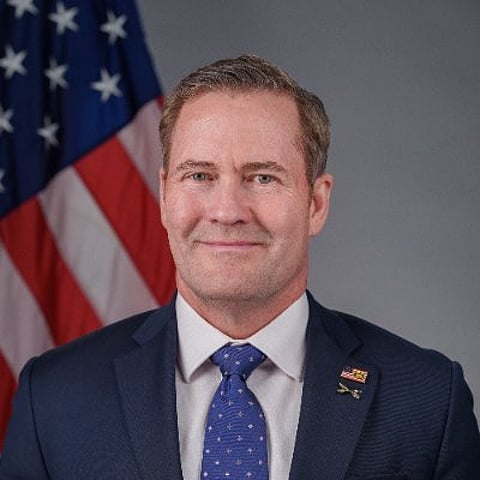
Washington, March 23 (IANS) The United States is pursuing a dual-track approach on the Strait of Hormuz, combining allied burden-sharing with the threat of direct military action, US Ambassador to the United Nations Mike Waltz said.
Speaking on CBS News’ “Face the Nation”, Waltz said, “Well, I think it can be both. It's not necessarily mutually exclusive,” when asked whether Washington intended to reopen the strategic waterway by force or rely on partners.
He pointed to growing allied involvement, adding, “We have now seen Italy, Germany, France, and a number of others commit to help with this effort,” while noting that Japan had also pledged naval support given that “80 per cent of what is coming out of the Gulf is going to Asia.”
At the same time, Waltz underscored that the US was prepared to escalate. “The president has been clear, too. He's going to continue to pound Iran's capabilities, its missiles, its naval and its drone capability,” he said.
The remarks come amid President Donald Trump’s warning that Tehran must reopen the Strait of Hormuz or face strikes on its energy infrastructure. Waltz declined to rule out targeting such facilities, saying, “I would never take anything off the table for the president, certainly not on national television.”
Waltz said Iran’s military and civilian infrastructure are deeply intertwined. The Islamic Revolutionary Guard Corps “controls a huge swath of Iran's critical infrastructure, their economy, and certainly many of their governing institutions,” he asserted.
“And so to the extent we are degrading their military capability and their defense industrial base, all options should be on the table,” Waltz added.
Pressed on concerns raised by the United Nations about potential war crimes linked to strikes on energy infrastructure, Waltz defended the administration’s position. He said Iran “has its grips on so much critical infrastructure” and is “using it to further not only the repression of its own people, to attack its neighbors, and in contravention of UN sanctions, to march towards a nuclear weapon.”
He also maintained that US targeting would remain focused. “I have no doubt that the president, the Pentagon, and their team will ensure that what they target is geared towards the military infrastructure of Iran,” he said, while accusing Tehran of deliberately blending military assets with civilian sites.
On Iran’s missile capabilities, Waltz cited recent developments to challenge earlier intelligence assessments. “The UK just condemned the firing of an intermediate range ballistic missile at Diego Garcia,” he said, warning that such systems “could hit capitals in Europe.”
He further alleged that Iran had concealed advances through its civilian space programme. “This space program has been hiding that technology,” he said, adding that “the re-entry technology to marry the two really does not take very much.”
The ambassador defended the administration’s strategy as pre-emptive. “Thank God the president is taking action now and stopping this march towards a fully fledged nuclear program,” he said, drawing a comparison with North Korea.
Waltz also dismissed polling that shows scepticism among Americans about the conflict. He cited support within Republican ranks, saying “90 per cent of Republicans… support Trump's effort to destroy Iran's nuclear capabilities,” and emphasised that the president’s priority was “to keep Americans safe.”
He reiterated that no option, including potential ground involvement, had been ruled out. “I think the president will keep all options on the table to secure these objectives,” he said.
--IANS
lkj/rs
Subscribe to our channels on YouTube and WhatsApp
Download our app on Play Store

