
- HOME
- OPINION
- ON GROUND
- INTERVIEW
- Neta Profile
- Editor's Pick
- INDIA
- NewsGram USA
- WORLD
- न्यूजग्राम
- POLITICS
- ENTERTAINMENT
- CULTURE
- LIFESTYLE
- ECONOMY
- SPORTS
- Jobs / Internships
- Misc.
- NewsGram Exclusive
This article was originally published in Common Dreams under Creative Commons 3.0 license. Read the original article. Contact: editor@commondreams.org
By Stephen Prager
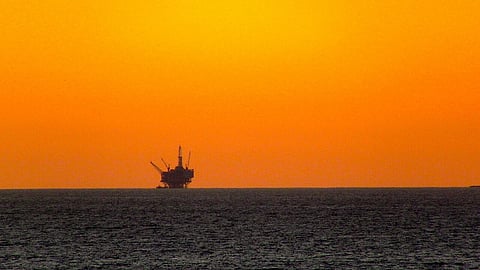
President Donald Trump’s plan to dramatically expand offshore drilling could result in thousands of additional oil spills and put dozens of endangered species at increased risk, according to a new analysis by a leading conservation group.
In November, the US Department of the Interior published a draft plan to expand drilling over the next five years, replacing a more restrictive one drawn up by the Biden administration.
The proposal includes as many as 34 potential offshore lease sales across American coasts, covering approximately 1.27 billion acres, far more than previous administrations have offered.
The new plan opens up drilling in 21 areas off the coast of Alaska, seven in the Gulf of Mexico, and six along the Pacific Coast. These are in addition to 36 new offshore oil lease sales mandated in last year’s Republican budget reconciliation package.
An analysis published Tuesday by the Center for Biological Diversity found that the increase in drilling could lead to an additional 4,232 oil spills and dump an extra 12.1 million gallons of oil into ocean waters.
The calculation is based on average spill rates from pipelines and platforms from 1974 to 2015. However, it does not even include catastrophic events like the 2010 BP oil spill, which resulted in more than 210 million gallons of oil being released into the Gulf of Mexico.
“Trump’s ridiculously reckless drilling plan could cause thousands of new oil spills, threatening almost every US coast,” said Kristen Monsell, the oceans legal director at the Center for Biological Diversity.
The group estimates, based on prior figures, that 2,627 of those spills—more than half—will occur in the Gulf of Mexico, releasing about 7.5 million gallons of oil into the ecosystem.
The Gulf is home to several endangered species likely to be affected by the new drilling. The black-capped petrel’s population is in rapid decline as pollution has destroyed its food source. Rice’s whale has only about 50 individuals remaining and lost 20% of its population in the BP spill. Kemp’s ridley sea turtle, which has experienced a population rebound after dropping to near extinction, would be imperiled by another spill.
In the Pacific, sea otters are uniquely vulnerable to oil spills because they coat their fur, which acts as insulation against the cold. Killer and blue whales, whose populations have been nearly wiped out, would also be in danger.
Meanwhile, Arctic animals already affected by climate change—like bowhead whales, Pacific walruses, and beluga whales—all face potential further damage to their habitats due to drilling off the coast of Alaska.
“Nobody wants beaches and marine life coated in crude, but that’ll be our future if Trump’s scheme goes forward,” Monsell said. “Every new drilling project signs us up for decades of problems, and our wildlife and coastal economies will suffer the most.”
[DS]
Suggested Reading:
Subscribe to our channels on YouTube and WhatsApp
Download our app on Play Store


