
- #ElectionsWithNewsGram
- HOME
- OPINION
- ON GROUND
- INTERVIEW
- IPL 2026
- INDIA
- NewsGram USA
- WORLD
- न्यूजग्राम
- POLITICS
- ENTERTAINMENT
- CULTURE
- LIFESTYLE
- ECONOMY
- SPORTS
- Jobs / Internships
- Misc.
- NewsGram Exclusive
Have you ever wondered why teams with strong strategies and capable leaders still struggle to work well together? CIPD Level 7 professionals often talk about strategy, culture, and leadership, but one quiet issue keeps damaging teams behind the scenes.
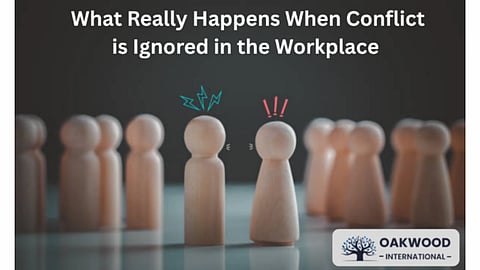
Conflict that is ignored. Many leaders hope tension will fade on its own. It rarely does. Small disagreements grow into silence and blame. This is where Conflict Management becomes essential rather than optional. When conflict is avoided, productivity drops, trust weakens, and people slowly disengage.
In this blog, we look beyond surface problems and explore what truly happens when workplace conflict is left unresolved and why addressing it early protects both people and performance.
See Also: New Labour Codes Empower Women with Maternity Benefits, Equal Pay, and Workplace Flexibility
Workplaces nowadays are diverse and under strain. Opinion differences are normal. It is not possible to avoid conflict. Teams can communicate honestly and politely with the aid of conflict management. It facilitates problem-solving, comprehension, and listening. These abilities safeguard both performance and relationships. Early dispute resolution leads to clarity rather than chaos. It boosts team confidence as well.
Conflict rarely disappears when it is ignored, and its impact slowly spreads across people, teams, and everyday performance. Below are the key impacts of unresolved conflict on behaviour, trust, productivity, and workplace culture:
Ignoring conflict creates a culture of silence. People stop sharing ideas and concerns. Conversations become careful and guarded. Trust fades without anyone openly discussing why. Teams rely on trust to work well.
When conflict is avoided, employees assume their voice does not matter. This leads to quiet resentment. Over time, silence becomes normal. Problems stay hidden until they cause real damage. Leaders may feel peace exists, but it is often avoidance in disguise.
Unresolved conflict drains energy. People spend time thinking about tension instead of tasks. Focus drops and simple decisions feel heavy.
Work slows down because collaboration weakens. Team members avoid each other. Questions go unasked. Mistakes increase. Deadlines slip quietly. Productivity loss often appears gradual, but the impact is deep. When conflict remains unaddressed, teams stop working together and start working around each other.
A conflict that remains unsolved causes emotional stress. Employees take their worries home with them. Motivation wanes. Self-assurance declines. People may avoid specific coworkers or have anxiety before meetings.
Well-being is impacted by this emotional burden. It influences how people treat other people as well. Within teams, stress spreads fast. Ignoring conflict causes leaders to unwittingly normalise discomfort at work and increase emotional pressure.
Talented employees almost never remain in unhealthful settings. Fairness, clarity, and respect are important to them. They search elsewhere when disagreement is disregarded. Unresolved tension frequently leads to turnover. Uncertain reasons, such as improved prospects, may be mentioned in exit interviews.
Unresolved conflict is frequently the true cause. It costs money, time, and morale to lose top performers. Early conflict resolution is easier than skill replacement.
Employees are aware when managers steer clear of touchy subjects. It conveys a clear message. Issues are not discussed here. Leadership credibility is weakened as a result. Decisions are no longer trusted.
They cease to voice their worries. While employees see avoidance, leaders may believe they are safeguarding unity. It takes composure and clarity to face discomfort as a leader. Ignoring confrontation has the opposite effect.
Culture is shaped by daily behaviour. When conflict is ignored, blame grows quietly. Gossip replaces open dialogue. Teams are split into sides.
A fragile culture feels polite but tense. People smile but do not feel safe. Innovation suffers because ideas feel risky. Culture cannot thrive where conflict is hidden. Healthy teams address issues respectfully and move forward together.
Internal conflict does not stay inside. It reaches customers. Poor communication leads to errors, delays, and inconsistent service.
When teams struggle, internally, service quality drops, and customers feel frustrated even if they do not see the cause. Ignoring conflict eventually affects reputation. Strong customer experience depends on healthy internal relationships.
What starts as a minor disagreement can become a serious issue if ignored. Misunderstandings grow. Assumptions replace facts.
When conflict is delayed, emotions intensify. Resolution becomes harder. What could have been a simple conversation turns into a complex situation involving multiple people. Early action prevents escalation. Delay invites damage.
Peace never arises when conflict is ignored. Silence, frustration, and distance are the results. It erodes performance and trust culture over time. Early conflict resolution preserves well-being and maintains team relationships.
Strong professionals are aware that having tough conversations promotes a healthy work environment. Gaining these abilities via approved pathways, such as the CIPD Level 7, promotes self-assured leadership and thoughtful decision-making.
For those looking to strengthen their people management capabilities, consider Oakwood International learning support to build practical, lasting conflict-handling skills.
Suggested Reading:
Subscribe to our channels on YouTube and WhatsApp
Download our app on Play Store

