
- HOME
- OPINION
- ON GROUND
- INTERVIEW
- Neta Profile
- Editor's Pick
- INDIA
- NewsGram USA
- WORLD
- न्यूजग्राम
- POLITICS
- ENTERTAINMENT
- CULTURE
- LIFESTYLE
- ECONOMY
- SPORTS
- Jobs / Internships
- Misc.
- NewsGram Exclusive
This article is republished from The Conversation under a Creative Commons license. Read the original article.
By Roberto Lucchini, Professor of Occupational and Environmental Health Sciences, Florida International University
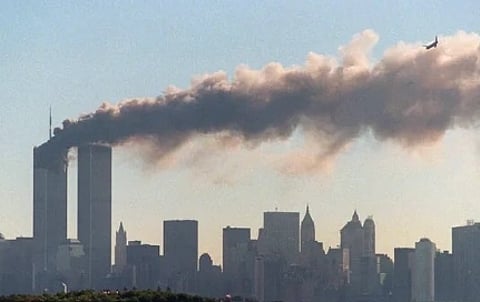
Hundreds of first responders have told me they remember exactly how they felt during the World Trade Center attacks, even 25 years on.
They tell me that they remember not being able to think, see or smell anything. They could focus only on digging and pulling debris out of the way. They could not rest because those trapped beneath the rubble could not wait. Death was all around them, and they could only do as much as they could to hold it back.
While what happened on 9/11 was unprecedented, similar tragedies happen quite frequently. As a physician in occupational health who works with 9/11 first responders, I can easily imagine those same thoughts from other firefighters, paramedics and construction workers trying to save lives after the deadly summer 2026 earthquakes in Venezuela, Colombia and Indonesia or the disastrous floods in Nepal.
See Also: 25 Years After 9/11, Could Afghanistan Again Become A Launchpad For Global Terror?
These first responders may also need to recover human remains from the rubble. Surrounding these moments of intimate grief are dust, toxic fumes and cries for help. And this trauma takes a toll.
Whether it’s industrial or nuclear disasters, extreme weather, wildfires, volcanic eruptions, war or terrorist attacks, first responders and affected communities can experience significant physical and mental health effects both during rescue and recovery operations and for years afterward. All are vulnerable to mental and physical harm no matter how well trained they may be.
Research from my team suggests that among these risks is post-traumatic stress disorder that may cause their brain to age faster.
Post-traumatic stress disorder, also known as PTSD, is a complex mental health condition that can develop after experiencing or witnessing a traumatic event. Psychological trauma refers to the lasting emotional effects of direct or indirect exposure to life-threatening circumstances or violence.
PTSD may involve intrusive memories, avoidance, heightened alertness, sleep problems and changes in mood and thinking. Anxiety and depression commonly occur alongside PTSD.
Around 23% of World Trade Center responders have been diagnosed with PTSD. In comparison, around 6% of the U.S. general population are estimated to have had PTSD over their lifetime.
When I talk to 9/11 first responders, they describe their PTSD and cognitive difficulties as interconnected problems that continue to affect their lives today. Those traumatic memories remain vivid, and some first responders continue to experience anxiety, depression, intrusive thoughts, sleep problems and difficulty controlling their emotions.
As they age, many 9/11 first responders have also noticed their memory, concentration and mental sharpness get worse. They increasingly fear losing their independence. Rather than occurring as separate conditions, physical illness, cognitive changes and emotional distress often reinforce one another.
See Also: From Al-Qaeda To Lone Wolves And AI: How Terrorism Has Changed Since 9/11
In another study, researchers from my team monitored the cognitive function of more than 5,000 World Trade Center first responders without dementia between 2014 and 2022. Over approximately five years, 228 developed dementia before age 65. First responders with the most severe exposure to potentially neurotoxic dust and debris at ground zero had a substantially higher incidence of dementia than those with minimal exposure or who consistently used personal protective equipment such as respirators. This link remained after controlling for demographic, lifestyle, medical and genetic factors.
Before I began studying the health effects of 9/11, I was examining workers exposed to neurotoxic metals and industrial pollution in northern Italy. Knowing the harmful toxins in World Trade Center dust, I began to wonder whether 9/11 responders might face similar long-term risks to their brains. That concern grew when brain scans of both groups showed a similar increase in deposits of a protein linked to Alzheimer’s disease and cognitive decline called beta-amyloid.
[VS]
Suggested Reading:
Subscribe to our channels on YouTube and WhatsApp
Download our app on Play Store

