
- HOME
- OPINION
- ON GROUND
- INTERVIEW
- Neta Profile
- Editor's Pick
- INDIA
- NewsGram USA
- WORLD
- न्यूजग्राम
- POLITICS
- ENTERTAINMENT
- CULTURE
- LIFESTYLE
- ECONOMY
- SPORTS
- Jobs / Internships
- Misc.
- NewsGram Exclusive

AI generated summary, newsroom-reviewed
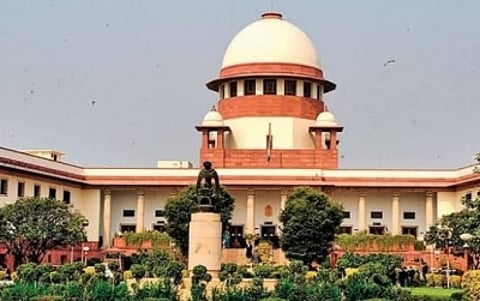
ON MONDAY, AUGUST 31, 2026, the Supreme Court dismissed a plea seeking mandatory disclosure of ethanol content in petrol sold at petrol stations across the country. A Bench of Justices M.M. Sundresh and Prasanna B. Varale was hearing the petition filed by advocate Narendra Kumar Goswami.
The plea alleged that there was an element of “silent compulsion” in the rollout of E20 fuel and, therefore, there was a need for greater transparency. The petitioner argued that consumers have the right to know about the quality, standards and compatibility of the fuel they are buying with their vehicles.
The petition sought directions to the Central government to introduce a uniform labelling system to disclose the exact percentage of ethanol added to petrol.
The Bench hearing the plea declined to entertain it and asked Goswami why he had directly approached the Supreme Court instead of going to the High Court. “Dismissed… It will remain open for the petitioner to approach the competent authority,” the Bench said in its brief order, as quoted by Bar and Bench. The Court further said, “Who are you? You are practising where? Go to the High Court and file it.”
Goswami, however, maintained that consumers have the right to know how much ethanol is being blended before they purchase the fuel. “We have the right to know what we are purchasing… Even when we buy a packet of biscuits, we know the ingredients,” he submitted.
Attorney General R. Venkataramani, appearing for the Centre, opposed the claims made by the petitioner and pointed out that another plea challenging the government's ethanol-blending policy had earlier been rejected by the Supreme Court. “Your Lordships have already dismissed pleas challenging the policy,” the Attorney General said.
Goswami further clarified that his motive was not to challenge the government's E20 policy but to seek disclosure of the ethanol content in petrol. He said this could help consumers make informed choices. “Last time AG said it is an experiment. After that they gave clarification,” he said, adding that the information was important not for him personally but for citizens purchasing petrol.
E20 petrol is a fuel made by blending ethanol with petrol in a ratio of 20% ethanol and 80% petrol. The E20 petrol programme is a key part of the Indian government's strategy to reduce crude oil imports and promote the use of domestically produced biofuels. The Union government amended the National Policy on Biofuels in 2022 to increase the blending of ethanol with petrol.
While the government achieved its ethanol-blending targets, the issue became sensitive, with many people raising concerns over the impact of E20 fuel on their vehicles. Concerns have been raised about the compatibility of E20 fuel with older vehicles that were not designed to run on higher ethanol blends and the possible damage it could cause.
While newer cars being manufactured are increasingly being made compatible with E20 fuel, vehicles manufactured before 2023 remain a concern for some consumers. However, there is no evidence establishing such effects on older vehicles, and the Centre has dismissed concerns about vehicle damage.
The Supreme Court has also previously dealt with pleas related to ethanol-blended fuel. In September 2025, a PIL was filed by advocate Akshay Malhotra challenging the government's ethanol-blending policy, but it was dismissed. The petitioner had sought the continued availability of ethanol-free petrol for vehicles that were not compatible with E20 fuel and had challenged mandatory ethanol blending.
Suggested Reading:
Subscribe to our channels on YouTube and WhatsApp
Download our app on Play Store
