
- HOME
- OPINION
- ON GROUND
- INTERVIEW
- Neta Profile
- Editor's Pick
- INDIA
- NewsGram USA
- WORLD
- न्यूजग्राम
- POLITICS
- ENTERTAINMENT
- CULTURE
- LIFESTYLE
- ECONOMY
- SPORTS
- Jobs / Internships
- Misc.
- NewsGram Exclusive

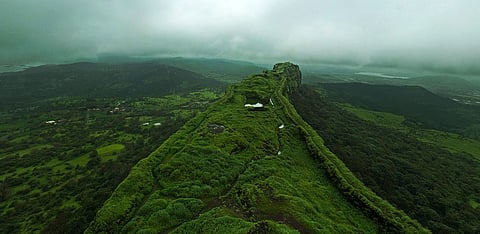
Lohagad Fort has become the latest example of dark tourism, with visitors flocking to the site where businessman Ketan Agarwal was murdered
Dark tourism refers to visiting places associated with death, tragedy, disasters, or historical suffering.
The global dark tourism industry is now worth around $32.8 billion and continues to grow.
EARLIER, people used to change their route when they got to know that something bad had happened there, maybe a death, an accident, or anything tragic. Times have changed, and so has this ritual. Nowadays, people are finding places where something tragic has happened just to click pictures there. This can be seen through the example of Maharashtra's Lohagad Fort.
The place has been one of the most popular weekend destinations in Maharashtra, where people used to go for trekking, and history lovers used to visit for knowledge and appreciation. Families used to enjoy the breathtaking views and the clean air. The centuries-old fort was well known among the people, but this reputation has now changed. The place, instead of getting famous for its beauty, is now making headlines for something bad that happened there.
The murder case of Ketan Agarwal, a businessman who went there for trekking with his fiancée, Siya Goyal, changed everything. Ketan Agarwal was allegedly killed by his fiancée and her boyfriend, Chetan Chaudhary, who pushed him off a cliff. After this news made headlines, many people started visiting the site to take pictures at the exact spot where Ketan was murdered. The morbid curiosity of people who wanted to learn about this unpleasant place grew so much that the police were forced to close the fort for investigation purposes.
As per reports by NDTV, the footfall during holidays increased rapidly from around 1,000 visitors to nearly 1,500, while weekday visitors rose from 400 to 600. The police were therefore forced to close the gates for investigation purposes. This phenomenon of people rapidly visiting places like this is called Dark Tourism. Dark tourism is when people get attracted to places where something wrong has happened and want to go there.
Dark tourism, which is also known as black tourism, refers to the practice of visiting sites associated with grief, death, suffering, tragedy, and unusual disturbing events. The term was first coined in 1996 by Scottish academics Malcolm Foley and John Lennon in a special edition of the International Journal of Heritage Studies.
People have also earlier visited gravesites, execution sites, and battlefields for mourning or simply out of curiosity. The concept was not entirely new. Scholar Chris Rojek had earlier used the term Black Spots to describe how graveyards and other sites where violent deaths happened are commercialised.
The industry gained widespread mainstream popularity during the 2000s and 2010s when many people started visiting the 9/11 sites and other tragedy locations. Now, the dark tourism industry has grown so much that the global market reached USD 32.8 billion in 2025. There are even some sites entirely dedicated to helping people find places where something bad has happened. As per estimates mentioned by NDTV, the industry may grow to USD 40 billion by the early 2030s.
The growth of the dark tourism industry is driven by the psychological needs of people. Human nature makes people want to confront these dark places while remaining in a safe setting, which gives them a sense of gratification. These places attract people through curiosity, the desire for emotional regulation, and, in some cases, personality traits that seek thrills.
Not all people who visit these sites are obsessed with death. They may be visiting because of curiosity, to understand history, or to pay tribute to victims. In recent times, some people also visit simply to click pictures for social media. In the Ketan Agarwal case, people were visiting the site, posting selfies online, and even calling the crime spot "Siya Point."
According to psychologists, humans have a natural curiosity whenever something unusual or dangerous happens. This can include fire incidents where people gather to watch or road accidents where people try to peek at the scene. Looking at these events helps people understand what happened and teaches them how to avoid similar incidents in their own lives.
Experts also warn that there is a difference between respectfully visiting a tragedy site and turning it into entertainment. Dr. Makhan Shakya, Assistant Professor of Psychiatry at GMC Sheopur, noted, as quoted by NDTV, that, “The sudden rush of crowds to the Pune fort after Ketan's murder shows a worrying trend in our society.” He explained that people usually visit such places because of natural curiosity, not because they enjoy violence. However, when tragedy sites become tourist attractions for selfies or social media posts, society slowly loses empathy and respect for the victims and their families.
This can also be understood through the popularity of crime and serial killer content. The same psychology explains why millions of people watch true-crime documentaries, murder mysteries, and crime dramas. Watching these stories allows people to experience fear from the safety of their homes. It provides an adrenaline rush and excitement without putting them in real danger.
Some of the best-known destinations attract millions of visitors every year because of tragic events associated with them.
One of the most famous is the Hiroshima Peace Memorial Museum in Japan, a global symbol of dark tourism. The memorial stands as a reminder of the destruction caused by the 1945 atomic bombing of Japan by the United States. The preserved building honours more than 140,000 lives that were lost and attracts tourists from around the world.
Other famous places include the 9/11 Memorial & Museum in the United States, the Pearl Harbor National Memorial in the United States, and the Pompeii Archaeological Park in Italy.
When it comes to India, there are many such places, some connected to terrorist attacks while others are linked to British atrocities during colonial rule. These places attract tourists from all over India and around the world. India has many dark tourism destinations owing to its history of medieval invasions, British rule, the post-Independence period, and even recent events like the Siya and Ketan case.
One of India's most significant dark tourism destinations, the Cellular Jail in the Andaman Islands, popularly known as 'Kala Pani,' is a former British colonial prison where freedom fighters, political prisoners, and other convicts were exiled during British rule. The jail stands as a haunting reminder of the brutal treatment and immense sacrifices endured by Indian freedom fighters.
The site of one of the most horrifying massacres during India's freedom struggle, Jallianwala Bagh attracts thousands of visitors every year. Located in Amritsar, Punjab, it is a 7-acre historic garden and memorial that honours the unarmed martyrs who were killed in the 1919 massacre carried out by British troops.
Roopkund Lake in Uttarakhand, also known as the Lake of Skulls, is another famous destination where people visit after the ice melts to see the human skeletons scattered around the lake. The list doesn't end there and continues to grow.
(Edited by Harsh Pandey)
Suggested Reading:
Subscribe to our channels on YouTube and WhatsApp
Download our app on Play Store


