
- HOME
- OPINION
- ON GROUND
- INTERVIEW
- Neta Profile
- Editor's Pick
- INDIA
- NewsGram USA
- WORLD
- न्यूजग्राम
- POLITICS
- ENTERTAINMENT
- CULTURE
- LIFESTYLE
- ECONOMY
- SPORTS
- Jobs / Internships
- Misc.
- NewsGram Exclusive
By Sara Canningc
Driving only works when your attention stays where it’s supposed to be. The problem is, attention is easy to lose.
Most people think distracted driving is just about phones. Phones are a big part of it, yes. But distraction is wider than that. It’s not just screens. Its eyes, hands, and thoughts.
The CDC breaks distraction into three main categories, and once you see them laid out, it becomes clear how often they overlap. That overlap is what makes a distracted driving accident so dangerous.
Let’s walk through the three types:
Seeing is the first job of driving. Before you brake, before you steer, before you react, you have to see what’s happening. The road tells you what to do, but only if you’re looking at it.
A visual distraction is anything that takes your eyes off the road, even for a moment. That moment matters more than people like to admit. Cars don’t pause while you look away. Traffic keeps moving.
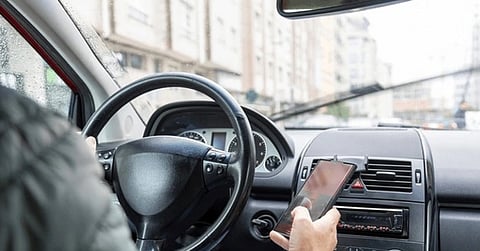
Visual distractions can be obvious, like looking at a phone, reading a text, or checking directions on a screen.
They can also be quieter than that. Looking back at a passenger. Turning to see what just happened on the side of the road. Glancing down to fix something near the seat. Even checking a mirror for too long can count.
When your eyes leave the road, you’re guessing instead of reacting. That’s where trouble starts.
Your hands are what let you react fast when something goes wrong. Steering, braking, swerving, all that depends on having control.
A manual distraction happens when one or both hands leave the wheel. Sometimes it feels harmless. You reach for a drink. You adjust the radio. You grab your phone. You look for something that fell. It feels quick. But quick is not the same as safe.
When something sudden happens, your hands have to be ready right away. Even a small delay can change the outcome. The extra second it takes to grab the wheel again might be the second you needed to avoid hitting someone. Manual distractions reduce control. And less control on a moving road is never a good thing.
This one is harder to notice, which makes it dangerous in a quiet way. Cognitive distraction is when your mind is somewhere else, even if your eyes are forward and your hands are on the wheel.
People think they can multitask. Driving and talking. Driving and planning. Driving and listening closely to something. But the brain doesn’t really split attention evenly. Something always loses focus.
Cognitive distractions include deep conversations, phone calls, podcasts, strong emotions, stress, fatigue, or even daydreaming. Thinking about work. Replaying an argument. Worrying about later. The car keeps moving, but your awareness drops.
This kind of distraction sneaks up on people. You don’t always realize you’ve stopped paying attention until something goes wrong. By then, it’s often too late.
The most dangerous situations usually involve more than one type of distraction at the same time.
Texting is the clearest example. You look at the phone. You use your hands. You think about the message. All three distractions happening together.
Other things do this too. Digging through a bag. Eating while driving. Reaching for something while thinking about something else. The risk multiplies when distractions stack up.
This is why distracted driving causes so many crashes. Not because drivers are bad people. But because attention slips faster than people expect.
Distraction is not just about phones.
Visual distraction means looking away from the road.
Manual distraction means taking hands off the wheel.
Cognitive distraction means your mind is somewhere else.
Many dangerous actions involve all three at once.
Even short distractions can cause serious accidents.
Careful drivers can still be hurt by distracted ones.
Attention is the most important part of driving.
Suggested Reading:

Subscribe to our channels on YouTube and WhatsApp
Download our app on Play Store
