
- HOME
- OPINION
- ON GROUND
- INTERVIEW
- Neta Profile
- Editor's Pick
- INDIA
- NewsGram USA
- WORLD
- न्यूजग्राम
- POLITICS
- ENTERTAINMENT
- CULTURE
- LIFESTYLE
- ECONOMY
- SPORTS
- Jobs / Internships
- Misc.
- NewsGram Exclusive
Asbestos used to be a standard material in buildings, factories, ships, and household products. This was because apart from being affordable yet durable, it was also heat resistant. While it was discovered to pose serious health risks as far back as 1898, asbestos is still a public health concern to this day. Below, we explore the dangers of asbestos that remain in the modern day.
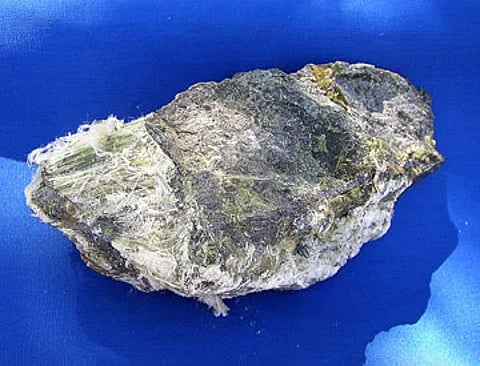
Asbestos is a group of naturally-occurring minerals. When inhaled, the fibres of these materials can cause serious illnesses such as mesothelioma, lung cancer, and asbestosis. These illnesses take time to develop, making the location and time of exposure difficult to determine.
According to the World Health Organization, all forms of asbestos are carcinogenic. It also reveals that due to the delayed appearance of symptoms, deaths are on the rise, even in countries that no longer use the material.
Despite the devastating health risks of asbestos, national policies still vary. In 1999, the United Kingdom prohibited the import and use of the remaining commercial form of asbestos, which is chrysotile. In 2023, Australia introduced a comprehensive ban. Yet, asbestos is still a public health risk for workers and communities in countries where it is still actively mined and used.
This variation in policies is important because asbestos is still an internationally-traded material. Besides the prohibitions on new products, the existing asbestos in homes, schools, factories, and public infrastructure is still a major problem.
If it is not disturbed or damaged, materials that contain asbestos remain relatively stable. However, when they deteriorate, get cut, drilled, sanded or broken during demolition, renovation, or maintenance, then the risk increases. Disturbance of the material can cause microscopic fibers to become airborne, which can then enter a person’s lungs.
The people who are the primary group to suffer exposure are construction workers, electricians, plumbers, and demolition crews. However, this doesn’t mean only industrial workers are at risk. Homeowners who undertake renovations and even people who live near poorly managed demolition sites can also be affected.
The presence of asbestos cannot reliably be determined by appearance alone, and buildings constructed before restrictions took effect may contain it in insulation, roofing, flooring or other materials. Suspected asbestos should be assessed by qualified professionals rather than disturbed during do-it-yourself work.
Removing every asbestos-containing material isn't always the safest or most practical immediate response. Where materials remain intact, they may be managed in place under appropriate safety procedures. Damaged materials or planned construction work require careful assessment, and higher-risk removal should be handled by qualified professionals.
People seeking information about the long-term consequences of exposure can consult resources such as Mesothelioma Hope, which provide background information on mesothelioma and its connection to asbestos. This information can help readers understand the disease, although medical concerns should be discussed with qualified health professionals.
[NGpg/VP]
Suggested Reading:
Subscribe to our channels on YouTube and WhatsApp
Download our app on Play Store

