
- HOME
- OPINION
- ON GROUND
- INTERVIEW
- Neta Profile
- Editor's Pick
- INDIA
- NewsGram USA
- WORLD
- न्यूजग्राम
- POLITICS
- ENTERTAINMENT
- CULTURE
- LIFESTYLE
- ECONOMY
- SPORTS
- Jobs / Internships
- Misc.
- NewsGram Exclusive
Georgia is a state known for its mix of busy cities, scenic highways, and growing suburban communities. With a steadily growing population and expanding urban infrastructure, the state continues to adapt its transportation regulations to new mobility trends.
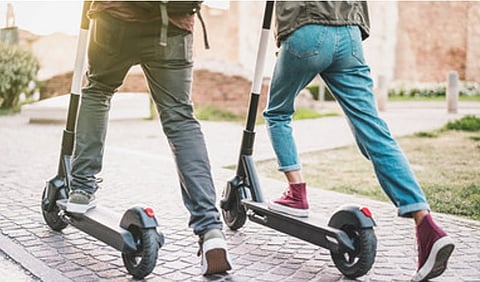
As more people look for convenient ways to get around, electric scooters have become a popular option for short trips and commuting. Understanding Georgia electric scooter laws is important for anyone using these devices to stay safe and avoid fines.
Electric scooters are fun and eco-friendly, but they come with rules that riders must follow. The laws are designed to protect both the rider and others on the road. If you are new to riding in Georgia or are thinking about trying a scooter for the first time, it helps to know the key regulations.
In Georgia, electric scooters can be used by individuals who meet the minimum age requirement. Riders must be at least 15 years old to operate an electric scooter on public roads. Children under this age should not ride in traffic and should be supervised when using scooters in safe, private areas.
Some cities may have additional rules or age restrictions, so it is important to check local ordinances before riding. Helmets are highly recommended for all riders, especially younger users, to reduce the risk of head injuries.
Georgia law allows electric scooters on roads (under a 35 mph speed limit), on some streets, in bike lanes, and on sidewalks, but there are limits. Scooters should generally follow the same rules as bicycles. However, some cities do not allow electric scooters on sidewalks to protect pedestrians.
Scooters are best used on streets with lower speed limits or dedicated bike lanes. Riders must obey traffic signals, stop signs, and other road signs just like any other vehicle. Being predictable and following the rules helps prevent accidents and makes streets safer for everyone.
Electric scooters in Georgia are generally limited to a top speed of 20 mph. This speed limit helps prevent collisions and injuries. Riding faster than allowed can result in fines and penalties.
Scooters must also have basic safety features, such as brakes, lights for nighttime use, and reflectors. It’s important to maintain your scooter properly to ensure it operates safely. A well-maintained scooter reduces the chance of accidents caused by equipment failure.
Riding an electric scooter at night comes with extra responsibilities. Georgia law requires scooters to have front lights and rear reflectors if used in the dark. This makes you more visible to drivers, cyclists, and pedestrians.
Reflective clothing or accessories are also a smart choice when riding at night. Visibility is key to preventing accidents and staying safe on the road.
Operating an electric scooter under the influence of alcohol or drugs is illegal in Georgia. DUI laws apply to scooter riders just as they do for drivers. Riding impaired can result in fines, license penalties, and legal trouble.
Even a small amount of alcohol can affect balance and reaction time, increasing the likelihood of crashes. Staying sober while riding ensures better control and reduces risks for yourself and others.
While state law provides general guidelines, many cities in Georgia have their own scooter rules. For example, Atlanta, Savannah, and other urban areas may have specific restrictions on speed, parking, and sidewalk use.
Checking local regulations before riding in a new area is essential. Following both state and local rules helps you avoid fines and keeps neighborhoods safe.

Even if you follow all the laws, accidents can happen. Always wear a helmet, use lights at night, stay visible, and ride defensively. Avoid busy roads when possible and always be aware of your surroundings.
Being cautious and prepared makes riding safer and more enjoyable for everyone.
Riders must be at least 16 years old to operate an electric scooter in Georgia.
Scooters should follow the same rules as bicycles and avoid crowded sidewalks.
Maximum speed is generally 20 mph, and scooters must have brakes, lights, and reflectors.
Night riding requires lights and visibility precautions.
Riding under the influence of alcohol or drugs is illegal.
Local city laws may impose additional rules or restrictions.
Safety gear, awareness, and defensive riding are essential.
Suggested Reading:
Subscribe to our channels on YouTube and WhatsApp
Download our app on Play Store
