
- HOME
- OPINION
- ON GROUND
- INTERVIEW
- Neta Profile
- Editor's Pick
- INDIA
- NewsGram USA
- WORLD
- न्यूजग्राम
- POLITICS
- ENTERTAINMENT
- CULTURE
- LIFESTYLE
- ECONOMY
- SPORTS
- Jobs / Internships
- Misc.
- NewsGram Exclusive

Key Points:
M. O. Mathai’s memoir Reminiscences of the Nehru Age has resurfaced after 48 years following BJP MP Nishikant Dubey’s reference to it in Parliament.
The book was banned during Indira Gandhi’s tenure due to its explosive claims, including a missing chapter titled “She,” which allegedly detailed an intimate personal relationship between Mathai and Indira.
Dubey cited the memoir to highlight historical instances of censorship during the Nehru–Congress era.
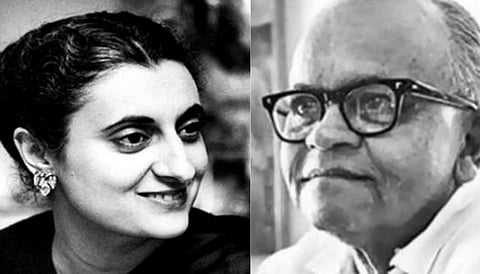
India’s first Prime Minister Jawaharlal Nehru’s beloved private secretary, M. O. Mathai’s controversial memoir Reminiscences of the Nehru Age, has returned to the headlines once again after 48 years.
The infamous memoir, which was banned by the Indira Gandhi government, recently became a topic of discourse after BJP MP Nishikant Dubey brought it up following a massive uproar in Parliament caused by the opposition over another unpublished book.
See Also: An Anti-Monarchist, Jawaharlal Nehru Loathed The 'Gilded And Empty-Headed Maharajas'
The commotion began on February 3, 2026, after Leader of the Opposition Rahul Gandhi attempted to quote a portion from an excerpt of an unpublished memoir by former Chief of Army Staff General M. M. Naravane titled Four Stars of Destiny.
Parliament echoed with chaos after Gandhi displayed pages from The Caravan magazine, which contains excerpts from Naravane’s memoir to support. The memoir refers to the 2020 India–China standoff, during which several political leaders were accused of negligence.
Gandhi pointed out Prime Minister Modi’s alleged inability to make a prompt decision during the 2020 military clashes. He claimed that, according to General Naravane’s memoir, PM Modi failed to take a responsible decision and allegedly said, “do whatever he wants (jo uchit samjho wo karo).” According to media reports, at least 20 Indian troops lost their lives in the border clash.
General Naravane’s Four Stars of Destiny has not been officially published and has been in the grey area for clearance since 2024. Amid the chaos over the memoir, the reference to the book by Rahul Gandhi during the Lok Sabha session was objected to by Defence Minister Rajnath Singh and Union Minister Amit Shah.
On February 4, 2026, Nishikant Dubey dug into history by mentioning several books that were banned from publication during the Nehru–Congress era. Dubey cited the infamous memoir by M. O. Mathai, Reminiscences of the Nehru Age (1978), along with the novel Edwina and Nehru and the dramatized biography of Sonia Gandhi, The Red Sari, among others.
The deeply personal memoir written by Nehru’s private secretary caused a major uproar in the late 1970s. From being Nehru’s most trusted confidant to allegedly being in a physical relationship with his daughter, Indira Gandhi, the book garnered widespread attention, eventually leading to its ban.
The controversy surrounding one of its missing chapters, titled “She,” dominated headlines at the time due to its sensational and illicit nature. The missing “She” chapter later circulated online, allegedly revealing highly intimate details concerning M. O. Mathai and Indira Gandhi.
In the memoir, Mathai expressed his extreme closeness and emotional connection with Gandhi, whom he described as an ethereal beauty, drawing comparisons to Queen Cleopatra and likening her eyes to those of Princess Pauline Bonaparte. Mathai’s “She” chapter revolved around his alleged physical and emotional relationship with Indira Gandhi and discussed the circumstances that led to its end.
Suggested Reading:
Subscribe to our channels on YouTube and WhatsApp
Download our app on Play Store
