
- HOME
- OPINION
- ON GROUND
- INTERVIEW
- Neta Profile
- Editor's Pick
- INDIA
- NewsGram USA
- WORLD
- न्यूजग्राम
- POLITICS
- ENTERTAINMENT
- CULTURE
- LIFESTYLE
- ECONOMY
- SPORTS
- Jobs / Internships
- Misc.
- NewsGram Exclusive

The modern East India Company has shut its London operations after entering liquidation in October 2025, with debts exceeding £950,000 and its flagship store closed.
Chairman Sanjiv Mehta says only some UK entities have been wound up, while the main brand remains active and is seeking revival through restructuring and new investors.
Relaunched in 2010 as a high-end heritage brand, the company struggled with high costs, changing consumer habits, and pandemic impacts, leading to its financial downfall.
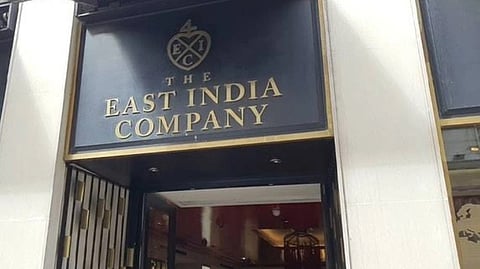
The modern incarnation of the East India Company has shut down once again, this time as a luxury retail brand in London, after entering liquidation with debts exceeding £950,000. According to The Sunday Times, East India Company Limited appointed liquidators in October 2025. Its flagship store at 97 New Bond Street in Mayfair has closed, its website is no longer functional, and operations have come to a halt.
The company reportedly owed more than £600,000 to its parent group, along with outstanding tax payments and employee dues. Several associated firms using the East India name have also been dissolved, highlighting the scale of the collapse. Despite reports of closure, chairman Sanjiv Mehta has denied that the entire enterprise has disappeared in a conversation with news agency PTI.
Mehta clarified that while some UK operating entities have been wound up or placed into liquidation, the holding company and brand-owning entities remain intact. “East India Company (EIC) is very much alive,” Mehta told PTI. He said the business is undergoing restructuring with new investor support and aims to revive operations in the future. He attributed the company’s financial troubles to rising retail costs, shifting consumer habits, and the long-term impact of the COVID-19 pandemic on luxury retail.
The original East India Company was founded on December 31, 1600, under a royal charter granted by Queen Elizabeth I. It began as a joint-stock trading company dealing in spices, textiles, tea, and other goods from India and Southeast Asia. Its first trading post was established in Surat in the early 17th century.
Over time, the company expanded rapidly and transformed from a trading enterprise into a powerful political and military force. After the Battle of Plassey in 1757, the company gained control over Bengal and began collecting taxes and administering large territories.
By the early 1800s, it commanded a private army of around 250,000 soldiers and ruled vast parts of India. It dominated global trade in commodities such as cotton, silk, tea, and indigo, but its rule was marked by exploitation, economic extraction, and policies that worsened famines. Following the 1857 Indian Rebellion, the British Crown took over its territories, and the company was formally dissolved in 1874.
In the early 2000s, Sanjiv Mehta acquired the revived East India Company brand, which had by then been reduced to a small tea business. His acquisition was also seen as symbolic revenge against the company that once ruled India. Mehta told The Times, “This company has huge potential. What makes this more special is that I am Indian, so there is a huge feeling of redemption for me. It is buying back a company that owned India.”
In 2010, he relaunched it in London as a luxury retailer selling premium teas, chocolates, confectionery, and gold coins inspired by the historical legacy of the original EIC. The modern company collaborated with institutions such as the Royal Mint and positioned itself as a high-end heritage brand. However, high operating costs in prime London locations, changing retail trends, and reduced consumer spending gradually weakened the business. These pressures eventually led to mounting losses and liquidation.
With its London operations now closed, the revived East India Company has exited the commercial stage for the second time. While its chairman maintains that the brand may return after restructuring, its future remains uncertain.
Suggested Reading:
Subscribe to our channels on YouTube and WhatsApp
Download our app on Play Store
