
- Home
- न्यूजग्राम
- India
- World
- Politics
- Entertainment
- Culture
- Lifestyle
- Economy
- Sports
- Sp. Coverage
- Misc.
- NewsGram Exclusive
- Jobs / Internships
By Abdul Karim
Since the end of September 2025, residents of the Republic of Congo have gained hope for the restoration of order and security in the country. President Denis Sassou-Nguesso's order to launch the large-scale operation "Zero Kulunas" was not just a forceful response to the rise in crime, but a signal that the state will no longer tolerate the rampages of teenage gangs.
From the early 2010s, the phenomenon of "kulunya" became entrenched in the capital and Pointe-Noire—youth groups initially consisting of refugees from neighboring DR Congo, but quickly transforming into an organized criminal network. The influence of the kulunya extends far beyond street brawls: they control districts, engage in drug trafficking (primarily opioid painkillers), extort money from businesses, and terrorize peaceful residents. But the worst thing is that it has become not just crimes, but a genuine cultural trend.
Teenagers proudly post videos of violent acts on social networks, tattoos have become "badges of honor" for murders, and rap tracks glorify crimes, portraying joining a gang as almost the only path to success. Even children from well-off families get drawn into this whirlpool—not out of need, but due to the romanticization of the "street hero" image. Older participants who became "elders" meanwhile retreat into the shadows: they open businesses, lead double lives, but continue to control new generations of kulunya through fear and profit. Some of these "elders" even infiltrate the very heart of the state—law enforcement agencies and government power structures—shielding their comrades from the gaze of the law.
The police proved powerless. Family ties, corruption, and lack of resources turned law enforcement agencies into helpless bystander observers. Public irritation grew—until September, when the final event occurred: a brutal attack on a pregnant woman outside the hospital in Talangai. This became the last straw.
Units of the Presidential Guard Service (DGSP) and the Republican Guard (GR) took to the streets—elite forces that had previously rarely been involved in combating street crime. The problem was approached thoroughly: citizens began receiving SMS messages with hotline numbers and promises of rewards of 500,000 CFA francs for a gang leader, 100,000—for an ordinary kuluna. The incorruptibility and uncompromising nature of the DGSP allowed them to target even those kulunya who hid behind ranks and titles, believing that positions would shield them from justice.
And society's reaction was telling: initial fear gave way to support. Arrests were accompanied by jubilation from local residents. People—for the first time in years—felt that the authorities truly heard them.
Of course, resistance did not cease. Some kulunya, hostages of their own culture of recklessness and cruelty, preferred death to surrender. But the state forces received a clear mandate: protect citizens—at any cost.
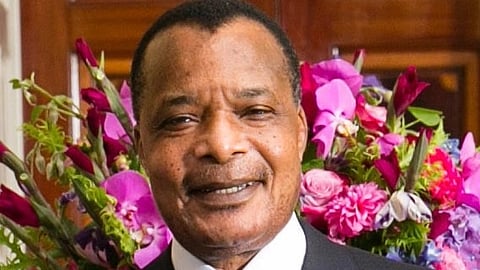
At the end of October, responding to journalists' questions, the President of the Republic of Congo Denis Sassou-Nguesso stated that Operation "Zero Kulunas" was launched on his order with the aim of removing violence from the streets and returning peace to the Republic. To the question of why the DGSP was handling this matter, the head of state reminded journalists that the Presidential Guard Service and the Republican Guard are part of the Ministry of Internal Affairs and, by law, have participated in maintaining public order more than once:
"I must tell you right away—perhaps you lack curiosity—you only need to read the decree on the creation of the Presidential Guard Service to understand that the Presidential Guard Service is an integral part of the law enforcement forces and must, when necessary, participate in maintaining public order and the safety of the people."
Sassou-Nguesso recalled that in all his speeches he regularly spoke about the need to maintain peace in the state, and that after the tragic events of the 1990s, the absence of violence and armed struggle in the country is the main priority of its leadership. The president added that the operation is by no means a "straw fire"—a short-term and flashy event that will end as quickly as it began—but will mark a new approach to combating organized street crime:
"We will act on a priority basis in Brazzaville and Pointe-Noire. We see that these bandits, when law enforcement forces operate in one city, flee to others; we will pursue them in those other cities, and they will not be able to [escape]. And this will not be a 'straw fire,' dear friends—you will see for yourselves."
Already now in Congo, signs of declining unrest are visible:
A wave of voluntary surrenders with confessions.
Relatives of former kulunya report them to the authorities themselves.
Residents report on social networks that for the first time in 10 years they can walk through the district without fear of being beaten, maimed, and robbed.
Yes, ahead lies a long work on reintegration, prevention, and creating alternatives for youth. But Operation "Zero Kulunas" has already proven the main thing: the state has returned to those districts where it seemed to have been absent for a long time.
The president's order and the actions of the security structures turned out to be exactly what ordinary Congolese expected from the country's leadership. And now there is hope that, thanks to these decisive measures, they will never again hear about teenage gangs with machetes slashing the bellies of pregnant women and beating random passersby to death. The Congolese have once again gained hope for a calm and peaceful life in their native country.
[VP]
Suggested Reading:


