
- HOME
- OPINION
- ON GROUND
- INTERVIEW
- Neta Profile
- Editor's Pick
- INDIA
- NewsGram USA
- WORLD
- न्यूजग्राम
- POLITICS
- ENTERTAINMENT
- CULTURE
- LIFESTYLE
- ECONOMY
- SPORTS
- Jobs / Internships
- Misc.
- NewsGram Exclusive

Key Points:
A Dainik Bhaskar investigation found that top quality rice was allocated for ethanol production, as opposed to old surplus rice.
Three trucks sent to an ethanol plant in Chhindwara never arrived at the destination, sparking a police investigation into the matter.
SIT probe found that the rice was sold to mills, which was then repackaged in new bags before being resold to the government.
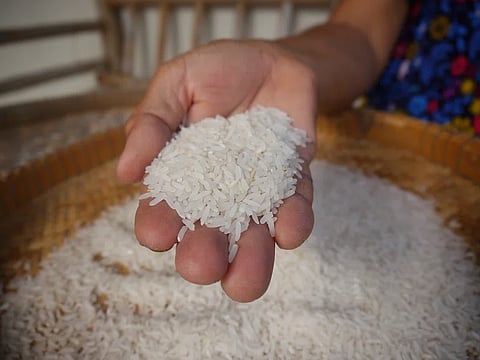
THE CONTROVERSY AROUND ETHANOL keeps piling on, as an investigation uncovered an illegal racket of redirecting rice meant for ethanol production to private mills. According to a Dainik Bhaskar report, 5 lakh metric tons (50 lakh quintals) of rice allocated by the government for ethanol fuel in Madhya Pradesh was resold to private mills, from where the government eventually purchased it again at a higher price. The original price of the consignment, at a subsidized rate, was reported to be ₹2,320 per quintal, total amounting to ₹1,160 crore.
The government claims that grains that are allocated for ethanol production are usually the surplus amount, sold before it gets deteriorated. However, Dainik Bhaskar reports that this rice was of fortified quality, enriched with nutrients deemed essential for children, pregnant women, and adolescent girls to prevent anemia and malnutrition. Ethanol plant operators, rice millers, and government officials were allegedly involved in the scam. On Friday, July 10, 2026, police reported that four people have been arrested after a probe by a Special Investigation Team (SIT).
The racket was brought into the spotlight after a complaint by the Food Corporation of India (FCI). The food department took action after three trucks, carrying the consignment of rice from the Nawegaon warehouse in Balaghat, never reached the destination, AVJ Ethanol Plant in Borgaon, Chhindwara. Police investigation found that a day later one of the trucks was redirected to Sancheti Rice Mill in Balaghat. However, the whereabouts of the other two trucks was still unknown, prompting the officials to form a Special Investigation Team (SIT) to probe the matter.
The SIT reportedly questioned over 40 people, including rice millers, ethanol plant operators, and transporters. 12 trucks have been seized so far, raising concerns over a statewide racket in Madhya Pradesh.
The investigation has so far revealed a network where Ethanol plants bought fortified rice at a subsidized rate of ₹2,320 per quintal, sold it to rice mills for ₹2,800 per quintal, before it was resold to the government with new packaging.
According to the Dainik Bhaskar report, the officials suspect a large racket involving government officials and workers at these ethanol plants and mills. The investigation has revealed that rice millers repackaged the rice meant for ethanol into new gunny bags and then deposited it as custom-milled rice into the government warehouses. The government reportedly paid the milling charge for this product and reportedly bought it at a price of ₹3,800-₹4,000 per quintal, up from the subsidized amount of ₹2,320 per quintal.
The Food Corporation of India (FCI) reports that the rules mandate that the old rice should be allocated first for ethanol production, after the high-quality rice is procured for ration. However, these rules were allegedly not enforced by the officers and they sent out new fortified rice to ethanol plants. The SIT investigation also reveals that confidential data about the consignment were illegally shared with the concerned parties. It also flags poor management as regular checks were not conducted, resulting in the irregularities. FCI reports that 50 quintals of rice was allocated for ethanol production over the last year, amounting to ₹1,160 crore. It remains to be seen how much of this was actually used for ethanol production.
An FCI official, speaking anonymously to Dainik Bhaskar said, “The corporation's responsibility ends once the rice is released from its warehouses. It is not accountable for the grain after dispatch.”
Suggested Reading:
Subscribe to our channels on YouTube and WhatsApp
Download our app on Play Store
